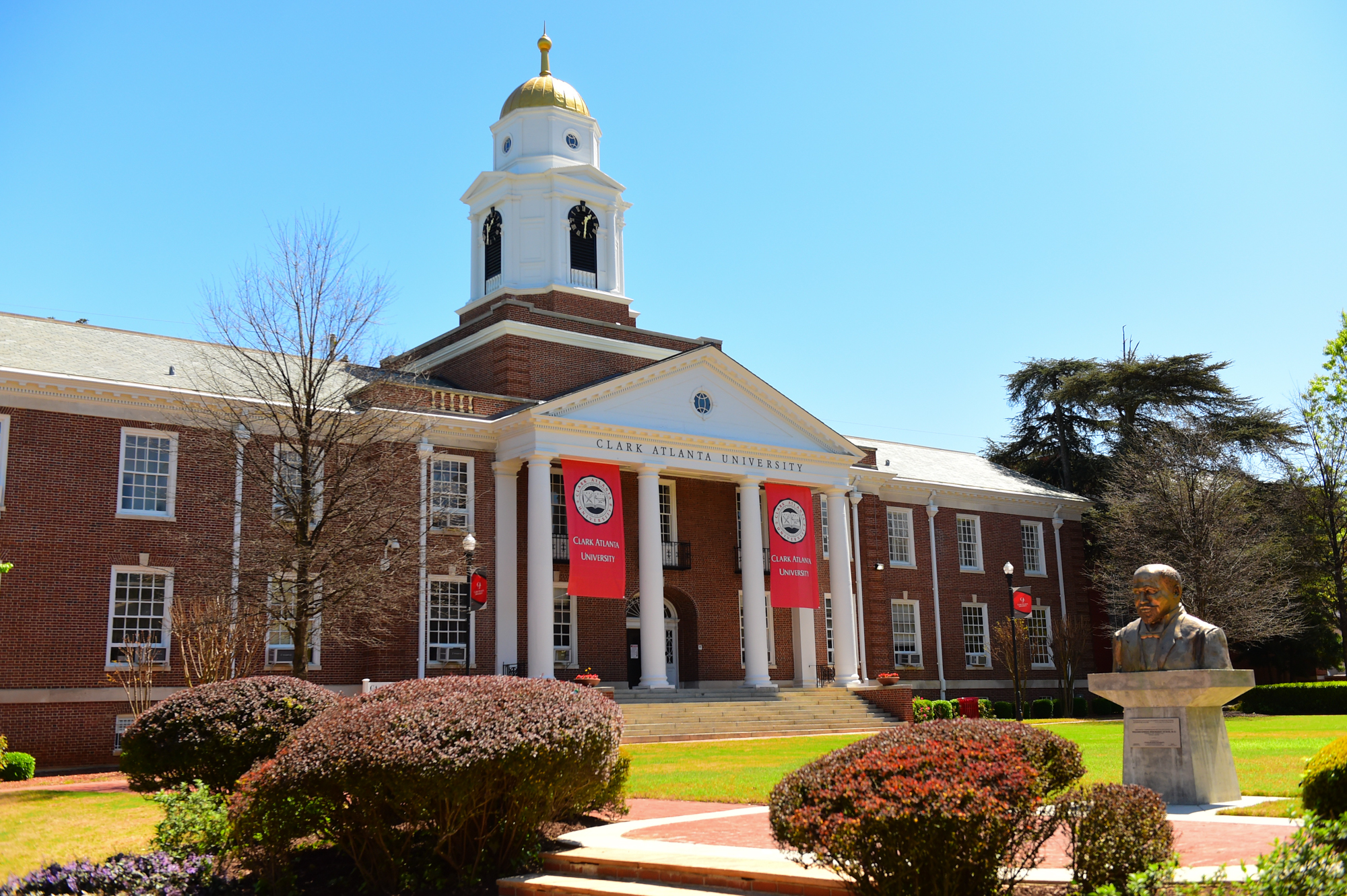



Ground-breaking program enters sixth year, propelled by strategic partnerships and strong record of elevating more than 170 emerging presidents and C-suite leaders at Historically Black Colleges and Universities (HBCUs).
The Executive Leadership Institute at Clark Atlanta University (HBCUELI) today announced the call for applications to join its 2026 Community of Fellows, the nation’s premier pipeline for the next generation of legacy leaders at HBCUs. Informational webinars for prospective applicants will take place on August 12, 2025 and September 2, 2025 at 6 p.m. ET.
Since welcoming its inaugural class five years ago, ELI has:
- Selected and trained more than 170 Fellows, including a record-breaking 46 leaders in the 2025 cohort.
- Forged a landmark collaboration with Harvard University for ELI’s New Presidents Program to expand research, mentorship, and cross-institutional learning opportunities.
- Delivered a competency-based curriculum lauded for real-world immersion and individualized executive coaching.
“When we invest in HBCU leadership, we invest in the strength and prosperity of our communities,” said Dr. George T. French, Jr., President of Clark Atlanta University. “The 2026 cohort will benefit from CAU’s unrivaled legacy and our growing collaboration with institutions across the US—as we prepare visionary leaders ready to meet the moment for higher education and beyond.”
ELI boasts a unique and effective leadership approach, anchored by 13 core competencies. The 9-month immersion addresses integrating institutional values, strategic objectives, and a holistic understanding of the higher education landscape through a cultural lens. ELI continues to expand with the recent addition of cohorts for the New President’s and the Willa B. Player Leaders programs in honor of a distinguished higher education trailblazer
“Our Fellows leave ELI equipped with the strategic insight, financial acumen, and servant-leader mindset required to guide institutions that punch far above their weight,” added Dr. Phyllis Worthy Dawkins, Executive Director of HBCU ELI, 18th President of Bennett College. “We encourage aspiring presidents, provosts, corporate leaders and senior administrators to seize this opportunity and apply.”
Dr. Cheryl Davenport Dozier, ELI Program Coordinator for the Community of Fellows and President Emerita, Savannah State University commented: “We look forward to training the next generation of legacy leaders—smart and innovative individuals who will be immersed in our 13 Competencies. During the program, they will gain enhanced knowledge and skills to ensure student success and HBCU institutional effectiveness.”
Eligible candidates must have at least ten years of higher-education or related executive leadership experience and a demonstrated commitment to advancing the HBCU mission.
Why HBCUs—and Strong Leadership—Matter
According to UNCF’s 2024 Transforming Futures: The Economic Engines of HBCUs report, the nation’s 101 HBCUs generate $16.5 billion in annual economic impact and support more than 136,000 jobs—a footprint on par with a Fortune 50 company. UNCF Robust, visionary leadership is essential to sustaining and scaling this impact, particularly as HBCUs serve a disproportionate share of first-generation, low-income, and under-resourced students.
About HBCU ELI at Clark Atlanta University
The HBCU Executive Leadership Institute at Clark Atlanta University (HBCU ELI) is a groundbreaking incubator for recruiting and developing the future presidents of America’s Historically Black Colleges and Universities. ELI equips high-potential leaders with tools and strategies that support the education and business goals of more than 100 HBCUs. Through ELI, the ability of HBCUs to survive and thrive is improved. In addition to granting thousands of degrees each year, HBCUs boast illustrious alumni like Martin Luther King, Jr., Oprah Winfrey, and Vice President Kamala Harris, among others.


