
There isn’t a building for the Smithsonian American Women’s History Museum, no place to visit, no walls for exhibits to hang. At least not yet.
But the institution created by Congress in 2020 is very much active in telling the important role of women in American history. And interim director Melanie Adams said the museum is “in the process of finding a physical home” on the National Mall.
The Smithsonian American Women’s History Museum is already a part of the nation’s flagship museum system, and it’s taking its educational mission on the road and online during Women’s History Month.
The women’s history museum is one of several across the country marking Women’s History Month with a special emphasis on the role of women throughout the 250 years of American history.
‘Women’s history is American history’
The Smithsonian museum has several virtual and in-person events for Women’s History Month. “We Do Declare” is a large-scale oral history archive that draws on the personal stories of women across the country about independence — financial independence, to be exact — and what that has meant for their overall sense of personal freedom and security.
Financial independence, said project curator Rachel Seidman, is “the bedrock of all the other kinds of independence we want.”
Interviewers talked to women across generations to learn how the last 50 years have brought about greater economic equality for women, like access to credit, business capital and workplace advancements. Many younger people today, she said, don’t realize that things they now take for granted like personal credit cards, mortgages and small business loans, weren’t available for women just a few decades ago.
On March 23, the museum will host an online Wikipedia Edit-a-Thon as part of “We Do Declare.”
The women’s history museum is also taking its show on the road, with a panel discussion and student workshop in Houston on March 26.
“Women & Space” will examine the contributions of women to America’s space exploration, and features Ellen Ochoa, the first Latina astronaut; “Hidden Figures” author and founder of the Human Computer Project Margot Lee Shetterly; and Kathryn Sullivan, a former NASA astronaut and Space Shuttle crew member.
“There is a hunger to understand, how did we get where we are?” Seidman said. “I taught women’s history for many years before working in museums and I understand how young women often have no idea of what had to happen to them to have the kind of lives they now take for granted.”
Smithsonian American Women’s History Museum’s mission, Adams said, is to “expand the story of American history through the untold accounts of women and to help us better understand our past and inspire our future.”
Revolutionary women in Philadelphia
The Museum of the American Revolution in Philadelphia is highlighting the role of women in the fight for independence with a series of events, talks and online programming throughout the month.
On March 18, the museum, along with the National Society of the Colonial Dames of America will screen “For the Common Good: The Women Who Shaped Our Nation,” followed by a discussion about the film. Visitors can hear 10-minute talks about the women’s suffrage movement, how women in Massachusetts advocated for women’s rights during the Revolutionary period, and explore the story of Ona Judge, a woman enslaved by George and Martha Washington who escaped and found freedom.
Katelyn E. Appiah-Kubi will perform on March 14, 21 and 28 as Elizabeth Freeman, also known as Mumbet, a Massachusetts woman who, according to lore, heard the words about freedom and equality in the Declaration of Independence and then sued for — and won — her emancipation from slavery.
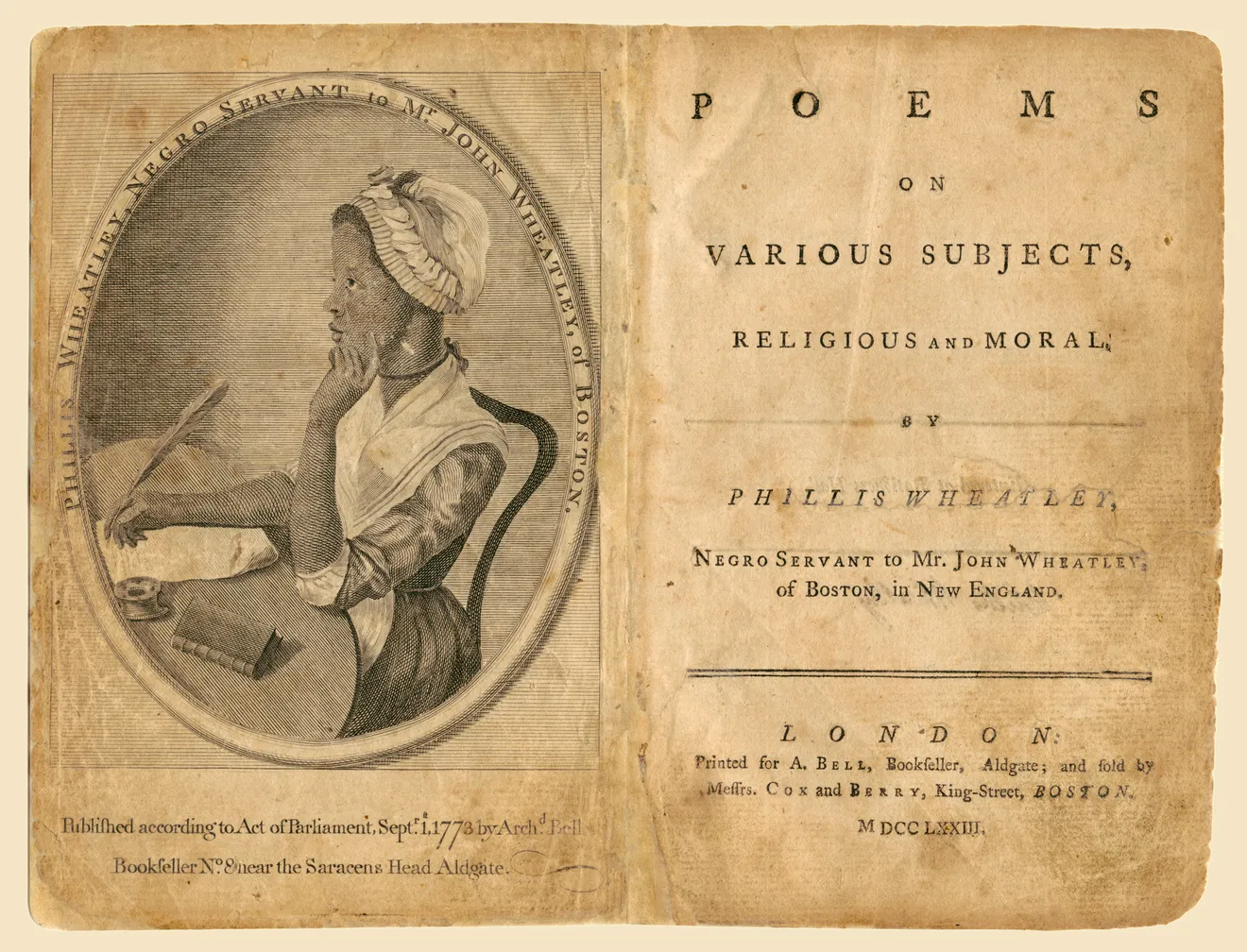
An onsite and online gallery guide, “Celebrating Revolutionary Women,” will highlight the stories of poet Phillis Wheatley, Baroness Frederika von Riedesel, Oneida Nation leader Tyonajanegen (Two Kettles Together) and others.
“The Declaration’s Journey” exhibit traces how the Declaration of Independence reverberated around the world and within America, said assistant curator Alexandra Cade, inspiring revolutions and suffrage movements abroad and at home. Cade told the story of Mary Katharine Goddard, a printer and postmaster in Baltimore who signed her own name to a copy (on display at the museum) of the Declaration of Independence in 1777 after Congress tasked her with printing it — an especially radical move for a woman of the era.
The museum’s mission is to tell the “compelling and diverse stories” of the American Revolution, Cade said. “It’s never an afterthought here. I am a historian, so uncovering new stories is what I do on a daily basis — it’s more exciting [to tell] human stories that have not been lifted up yet or not been given their due attention.”
The Betsy Ross House will highlight its namesake flag maker, of course, as well as other women who’ve stitched together the fabric of our nation at Storyteller Saturdays and History Maker Sundays throughout March.
On March 14, Drexel University will host another event in Philadelphia’s 52 Weeks of Firsts, this one celebrating the Woman’s Medical College of Pennsylvania, the nation’s first degree-granting medical school for women.
Women of Williamsburg
Colonial Willamsburg has a full slate of ways to celebrate women, and its website has profiles of history-making women for those who can’t get to the Virginia living history village.
“Stories of Women” introduces women like Clementina Rind, a publisher and printer who brought news of the Revolution to Virginians, and Margaret Bannerman, who fought for her own rights against a husband who defrauded her. “The Virginia Gazettes” offers a deep dive into Revolutionary-era news reports and there are links telling the stories of enslaved women, nation builders such as Martha Washington, educator Ann Wagner and tavern keeper Jane Vobe.
In-person events include screenings of short films, a look at how Virginia’s women navigated the complicated politics of revolution and more.
Women’s History Month events elsewhere
- Through March 31, the Library of Congress in Washington, DC, hosts a small exhibition of works by Ojibwe poet and knowledge keeper Jane Johnston Schoolcraft (Bamewawagezhikaquay), including handwritten poems and English-language renditions of traditional Ojibwe stories.
- On March 28, the New York State Museum will host “Revolutionary Women: Lady Johnson, Angelica Schuyler, and the Politics of Loyalty,” discussions of how these women and others weighed their status, political and family ties against the fight for independence.
- Also on March 28, Nissenquogue River State Park on Long Island, New York, will offer “Revolutionary Remedies: Women Who Healed a Nation,” a look at the medical work of women during the Revolutionary War, including nurses, caregivers, and Indigenous and enslaved women healers.
- Along Boston’s Freedom Trail, trace the footsteps of Revolutionary Women including Anne Hutchinson, Mary Dyer, Abigail Adams, Mercy Otis Warren, Harriet Beecher Stowe, Harriet Tubman, Phillis Wheatley, and Susan B. Anthony. The tour is offered on select weekends through March 29.