
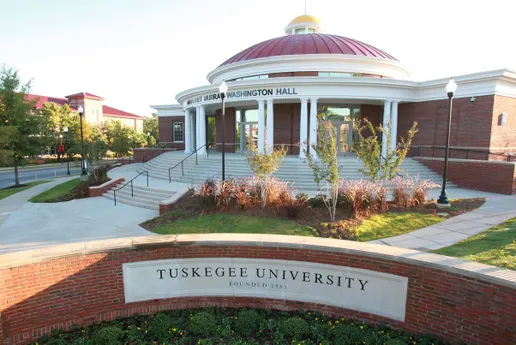
Tuskegee University just rolled out a strict new dress code, and it’s already sparking debate across HBCU social media. President Dr. Mark A. Brown announced the changes in a letter to parents of incoming students. The Tuskegee University dress code bans bonnets, do-rags, and bedroom shoes in classrooms and the cafeteria. It also tightens rules around attendance and cell phone use.
What the New Policy Bans
Students can no longer wear bedroom shoes, bonnets, or do-rags in classrooms. The cafeteria falls under the same rule. Revealing clothing is off-limits in classrooms, dining spaces, and official events like Convocation. Business meetings call for business suits and appropriate shoes. Faculty can enforce every part of the policy. That means a professor can address a student who shows up in banned clothing or pulls out a phone mid-lecture.
Cell Phones and Attendance Get Stricter
Phones must stay off during class unless a professor allows them. Brown wants students focused, not scrolling. Attendance rules are tightening too, and the university plans to track it more closely this fall. Skipping class won’t fly the way it used to under Tuskegee’s push for accountability.
Why Tuskegee Is Making This Move
Brown became Tuskegee University’s 10th president in July 2024. He’s calling this stretch the university’s “Renaissance Era.” According to HBCU Gameday’s report, Tuskegee expects its largest freshman class in 32 years this fall. That growth adds pressure to set clear expectations early. Brown frames the Tuskegee University dress code as career prep, not punishment. He argues employers judge first impressions fast, and presentation can overshadow real qualifications. That argument taps a long-running HBCU debate over respectability politics.
The Debate Over Bonnets and Do-Rags
Bonnets and do-rags protect Black hairstyles, so banning them hit a nerve fast. Some students and alumni call the rule outdated. They say it pushes narrow ideas about what professionalism looks like. Others back the policy. They point to Tuskegee’s long history of discipline as reason enough. Per The Root’s coverage of the backlash, some users pushed back on how people read the policy. They argue critics confused a one-time suit requirement for business events with a daily classroom rule. Still, the hair-care angle keeps the debate alive online. Tuskegee is private, which gives it more authority than a public university to set conduct rules. Students who enroll agree to follow the handbook.
What the Tuskegee University Dress Code Means for Fall
The Tuskegee University dress code doesn’t stop at classrooms this fall. Students should leave bonnets, do-rags, and bedroom shoes behind before heading to class or the cafeteria. Anyone attending a business event should pack a suit and dress shoes. The phone policy could hit harder day-to-day than the clothing rules. Many students check phones between notes or during slow lectures, and that habit ends now. Combined with closer attendance tracking, Brown’s message is clear: professionalism starts the moment students walk into class.
Other HBCUs may watch how this plays out. For now, Tuskegee students, parents, and alumni are debating a familiar question: where does professional prep end, and where does personal expression begin?