
Written By Lexx Thornton
Following the example set by San Diego and Los Angeles County in 2024, Boston city officials are working to attract a Historically Black College or University (HBCU) to establish a satellite campus in the city. The goal: to create more educational opportunities for Black students in a region that has historically lacked an HBCU presence.
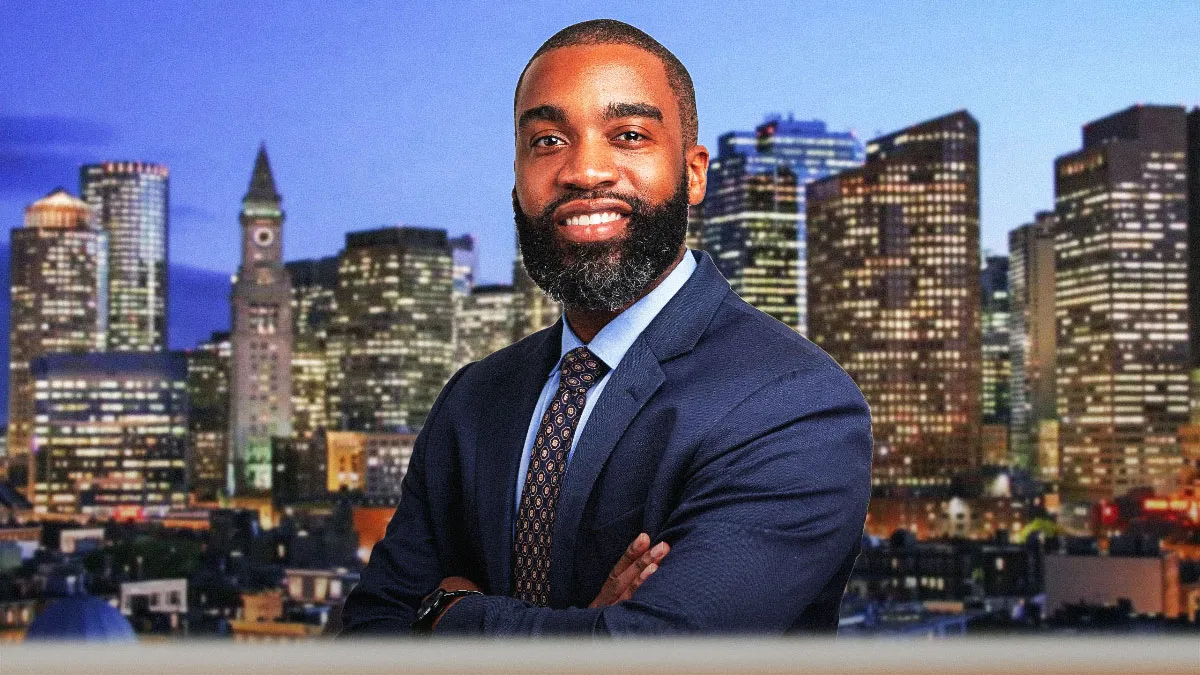
Boston City Council Vice President Brian Worrell is spearheading the initiative. According to The Boston Herald, Worrell recently called for a public hearing to explore bringing an HBCU to Boston—a city that was once a leader in Black education during the 19th century.
“An HBCU presence would provide role models for current Black students by showing them a tangible pathway to success,” Worrell said during a council meeting. “Boston led the way ineducating Black students in the first half of the 19th century, with the opening of the Abiel SmithSchool. We need to rediscover that trailblazing spirit.”
Worrell’s proposal is closely tied to Boston’s Building Bridges HBCU program, which he describes as a direct response to the recent national pushback against diversity, equity, and inclusion initiatives.
The hearing order notes that while there are more than 100 HBCUs in the U.S., most are located in the South—a reflection of their historical role in countering Jim Crow laws. Today, the needfor culturally responsive educational spaces is growing, particularly in areas like Boston whereBlack students have limited access to HBCU environments.
Worrell’s office told The Boston Herald that updates on the city’s efforts to attract an HBCU partner will be shared this fall. Boston Public Schools Chief of Student Support Cory McCarthy emphasized the increasing interest, saying, “The appetite for an HBCU has grown immensely within the last five years.”
He added, “Bringing an HBCU to Boston would further showcase the city’s commitment to building an educational ecosystem that values, supports, and elevates Black students.
Worrell highlighted that despite making up just 3% of U.S. higher education institutions, HBCUs produce a disproportionate number of Black professionals:
1.40%of Black engineers and members of Congress
2.50%of Black lawyers and doctors
3.70%of Black dentists
These statistics underscore the enduring importance and success of HBCUs in advancing Black excellence.


