Historically Black Colleges and Universities (HBCUs) have long framed narratives of Black excellence. Though none exist within the Greater Los Angeles region—aside from Charles R. Drew University—HBCU culture thrives here through alumni networks, community events, civic engagement, and policy leadership. Their mark on LA is evident from conventions in Downtown to mentorship in Compton and legislative efforts in Sacramento.
A Block Party of Pride
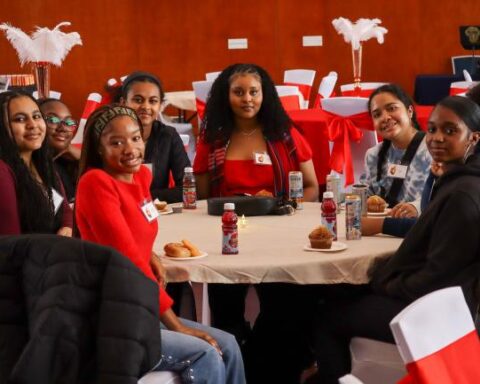
When Alabama State University rallied at the Rose Bowl in Pasadena, LA’s HBCU alumni weren’t spectators—they hosted a community block party the night before at the Michelle and Barack Obama Sports Complex in South LA. According to Vanda Lee Jones, president of the Alabama State Alumni Association’s LA Chapter, the goal was to “bring that experience into a community that doesn’t have that type of experience here in Los Angeles.”
Alicia S. Jones, former president of the Southern University Alumni LA Chapter, called it “beautiful,” adding,
“We are all different, unique, but unified. The HBCU culture in Los Angeles is colorful too. The excitement makes your heart race.”
Bringing Traditions to Life
Alumni-run events like Clippers and Sparks games, summer picnics, mixers, tailgates, and professional expos maintain ties to campus traditions here in LA. Even downtown store owner and Grambling alum Brian Compton notes that “you have a lot of HBCU alumni groups that are very active with keeping the HBCU spirit alive here in California.”
Meanwhile, Brandon Williams of the Tuskegee Alumni Club emphasizes the value of lifelong bonds:
“I can call one of my brothers or one of my sisters from a different Black college… we look out for each other.”
College Fairs Fueling Futures
The annual LA Black College Expo draws over 50 HBCUs and thousands of local students. In 2023, both LAist and the California Community Colleges Chancellor’s Office highlighted transfer pathways and scholarship incentives aimed at sending more California students east to HBCUs.
Criminal justice student Jamel White shared his hopes:
“I want to get out of the state… and network with other people–especially Black people. At an HBCU I’ll feel more at home. You feel more comfortable.”
Alumni in Business and Health
In LA’s professional ecosystem, HBCU alumni lead not only in education and politics but also in small business, medicine, and public health. These professionals are often among the few in their fields, and their commitment to service remains rooted in their alma mater’s values.
“I opened my wellness clinic in South LA because I wanted our people to feel seen and heard — just like I felt at Spelman,” said Dr. Renée Taylor, a family physician and HBCU alum. “The nurturing environment I experienced taught me how to lead with compassion and cultural sensitivity.”
Entrepreneurs like Julian Mason, who graduated from Prairie View A&M and now runs a tech startup in Inglewood, say their business approach is grounded in more than profit.
“My HBCU taught me that our businesses should reflect our community needs and brilliance. In LA, that means mentoring youth and creating real access.”
These professionals often participate in HBCU alumni networking groups, combining business development with mentorship and advocacy.
Professional Clout & Civic Impact
HBCUs produce a high percentage of Black professionals in fields like medicine, law, engineering, and education. Locally, leaders in STEM, healthcare, public service, and nonprofit sectors come together through alumni chapters — their efforts evident in mentorship programs and civic initiatives.
A recent AB 1400 tax-credit program now helps California students transfer into HBCUs — recognized as an equity-forward measure by the CCCCO. This kind of support affirms the growing understanding that HBCUs are essential, not nostalgic.
Conclusion: A Cultural Bridge
Los Angeles may lack a traditional HBCU campus, but through traditions, gatherings, and community-building, the essence of these institutions is thriving here. Whether at college expos or in boardrooms, HBCUs are catalysts — encouraging Black Angelenos to rise together.
“These institutions empower us toward success,” framed one Southern University alum. And in LA, their legacy isn’t just commemorated — it’s actively lived.