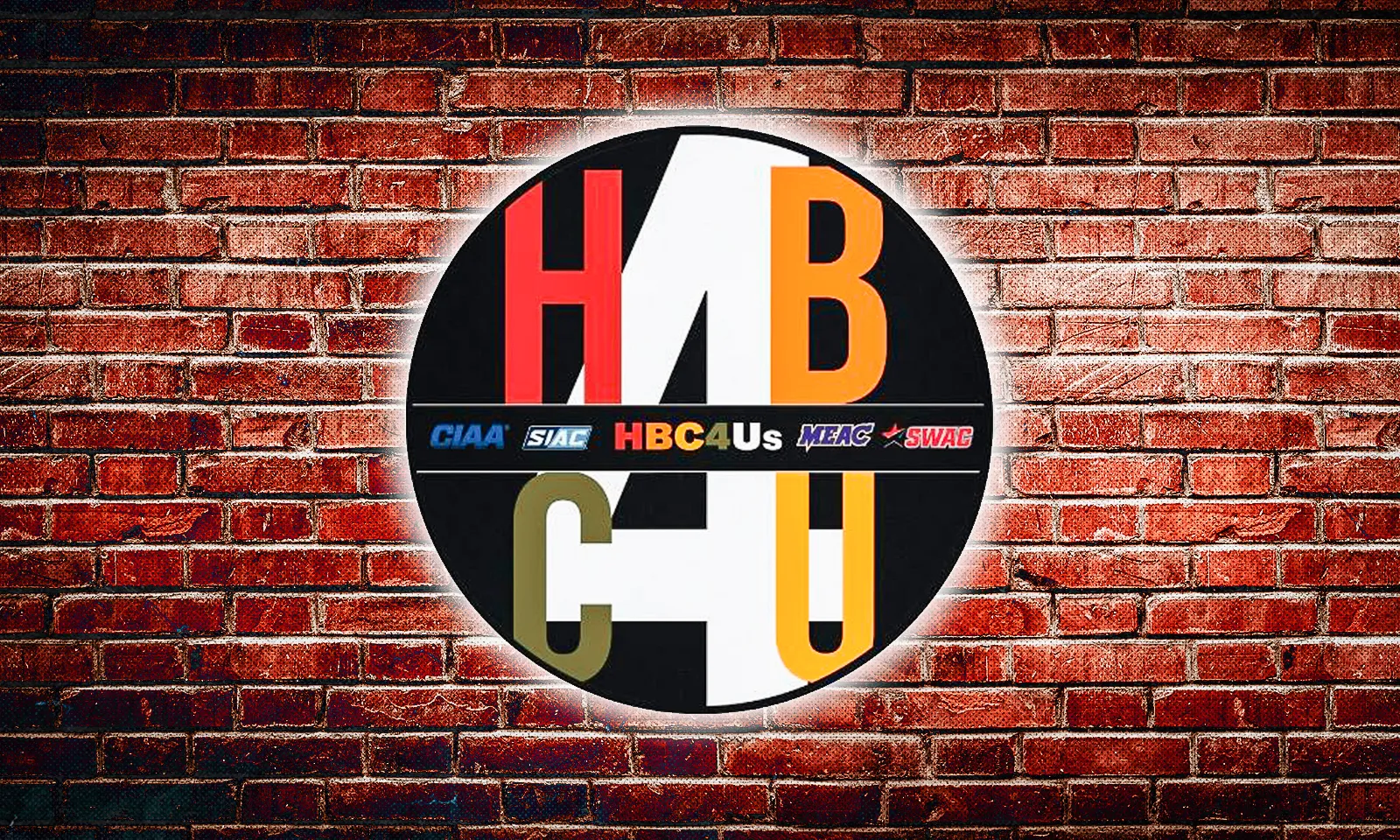
In an unprecedented show of unity, the four major athletic conferences home to Historically Black Colleges and Universities (HBCU) — the Southwestern Athletic Conference (SWAC), Mid-Eastern Athletic Conference (MEAC), Central Intercollegiate Athletic Association (CIAA), and Southern Intercollegiate Athletic Conference (SIAC) — have officially joined forces under the newly established HBCU4Us Association.
This alliance, launched on July 30, 2025, brings together the leadership of commissioners Charles McClelland (SWAC), Sonja O. Stills (MEAC), Jacqie McWilliams Parker (CIAA), and Anthony Holloman (SIAC), representing more than 40 storied institutions. The move aims not only to bolster the tradition and visibility of Black college sports but to chart a sustainable — and collective — future for the next generation of student-athletes.
This coalition emerges in a college-sports landscape rocked by game-changing reforms: the expansion of Name Image Likeness (NIL) opportunities, evolving revenue-sharing models, and mounting pressures from realignment and resource disparities. For HBCUs, often under-resourced yet overflowing with cultural pride and athletic legacy, this partnership is both protection and progression — a chance to combine influence, share tools, and present a powerful unified front in NCAA governance and national policy.
What HBCUs area attempting
At its core, the HBCU4Us Association is seeded by six guiding pillars:
- Student-athlete leadership and development: Prioritizing mentorship, career readiness, and life beyond sports.
- Preservation of cultural heritage: Celebrating the deep history, achievements, and societal impact of HBCUs—ensuring the pageantry, pride, and legacy remain central.
- Competitive excellence: Strengthening programs to not only withstand regional and national challenges but also to thrive.
- Financial sustainability and partnerships: Pooling bargaining power for multi-conference sponsorships, broadcast deals, and creative funding streams essential to long-term viability.
- Unified advocacy: Raising a single, influential voice to level the playing field for Black college athletes at the tables where rules, policies, and futures are shaped.
- Holistic student-athlete welfare: Addressing student well-being through academic support, mental health resources, and comprehensive athlete care.
This synchrony of vision is not a leap toward a “super conference,” but a strategic bulwark to ensure that the cultural and athletic lifeblood of HBCUs does not get lost in the tumult of college sports’ shifting priorities.
What’s behind the timing?
The timing is pivotal. In the 2025 NFL Draft, Carson Vinson’s selection by the Baltimore Ravens and Ricky Lee’s re-signing with the Jacksonville Jaguars signal a renewed recognition of HBCU talent at the highest levels — breaking through a two-year drought for HBCU prospects in the league. Similarly, athletes like Travis Hunter challenge old narratives by proving that HBCUs are now viable launch pads for elite recruits seeking a path to professional sports. There’s progress on the hardwood, too: Zaay Green, Ameshya Williams-Holliday, and Angel Jackson have all made professional strides, following trailblazers such as Kyle O’Quinn and Robert Covington, who erased doubts about whether HBCUs can produce world-class talent.
Simultaneously, the arrival of NIL has seeded new opportunity. Virginia State University’s Rayquan Smith, celebrated as the “King of NIL” and a 2025 Forbes 30 Under 30 nominee, demonstrates how HBCU athletes are evolving as entrepreneurs in their own right — leveraging personal brands, championing community causes, and rewriting the economics of Black college sports.
Yet, the challenges are complex. HBCUs face ongoing struggles to retain top athletes swayed by the NIL and transfer-portal machinery of bigger-budget programs. The alliance, driven by necessity and vision, seeks to reframe what is possible: from boosting media exposure and negotiating better television deals, to lobbying for equality in governance, to potentially redesigning postseason championships that put the spotlight squarely on Black college athletics.
The formation of the HBCU4Us Association is more than a merger — it is a renaissance. It acknowledges the realities of a new era while refusing to yield on tradition or excellence. The commissioners’ collective call is a rallying cry for all who care about the future of HBCU sports, inviting alumni, students, and allies to champion the legacy and invest in a more equitable, inspiring tomorrow for Black college athletics.