Written by Lexx Thornton
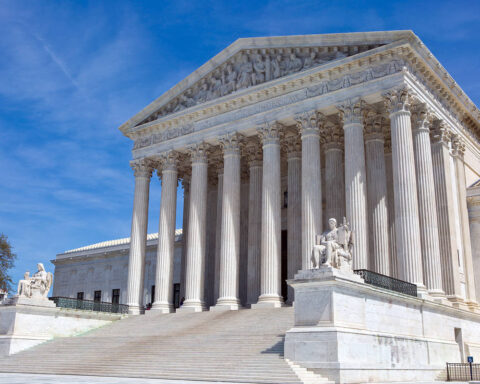
The U.S. Supreme Court is evaluating a major lawsuit that challenges the practice of private immigration detention companies paying detainees as little as $1 per day for performing essential maintenance work. The case has thrust the long-standing use of low-wage detainee labor into the national spotlight, with legal outcomes that could redefine contractor accountability and labor rights.
The class-action lawsuit targets The GEO Group, Inc., one of the largest private contractors operating facilities for U.S. Immigration and Customs Enforcement (ICE).
The plaintiffs, current and former detainees, argue that the work programs—officially known as “Voluntary Work Programs”—are anything but voluntary. They allege that they are compelled to perform critical jobs, such as cleaning common areas, preparing meals, and doing laundry, under the threat of punishment.
Crucially, the detainees claim that those who refuse to work risk sanctions like solitary confinement or the loss of commissary and phone privileges. This use of coercion, combined with the minimal compensation, forms the basis of the claim that the companies are violating forced labor statutes and unjustly enriching themselves by substituting full-wage employees with virtually free labor.
The GEO Group’s defense rests on two key pillars:
- Federal Policy: They adhere to ICE policy, which allows for detainees in the Voluntary Work Program to be compensated “not less than $1 per day.”
- Sovereign Immunity: The company is arguing for derivative sovereign immunity, asserting that since they are performing services under a federal contract, they should share the government’s immunity from certain lawsuits, including state minimum-wage challenges.
The specific question currently before the Supreme Court is a procedural one: whether the private contractor can immediately appeal the lower court’s decision denying them this immunity claim, effectively seeking to halt the underlying lawsuit.
The legal battle has already seen success at the state level. In a separate, landmark case in Washington, a court ruled that GEO Group violated state minimum wage laws, determining that immigrant detainees are entitled to state wages because they are held under civil proceedings, not as convicted criminals. That decision resulted in the company being ordered to pay over $23 million.
The outcome of the Supreme Court case will not only determine the future of the Colorado lawsuit but will also set a powerful precedent for labor standards and contractor liability across the entire private immigrant detention industry nationwide.