By R. L. Nave
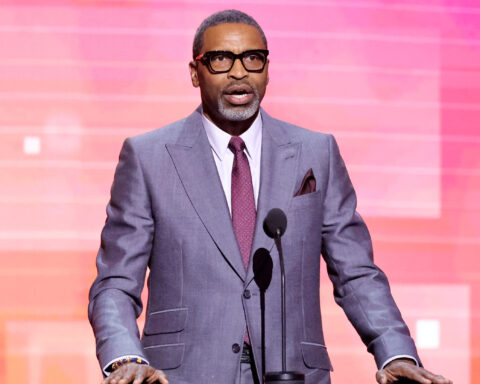
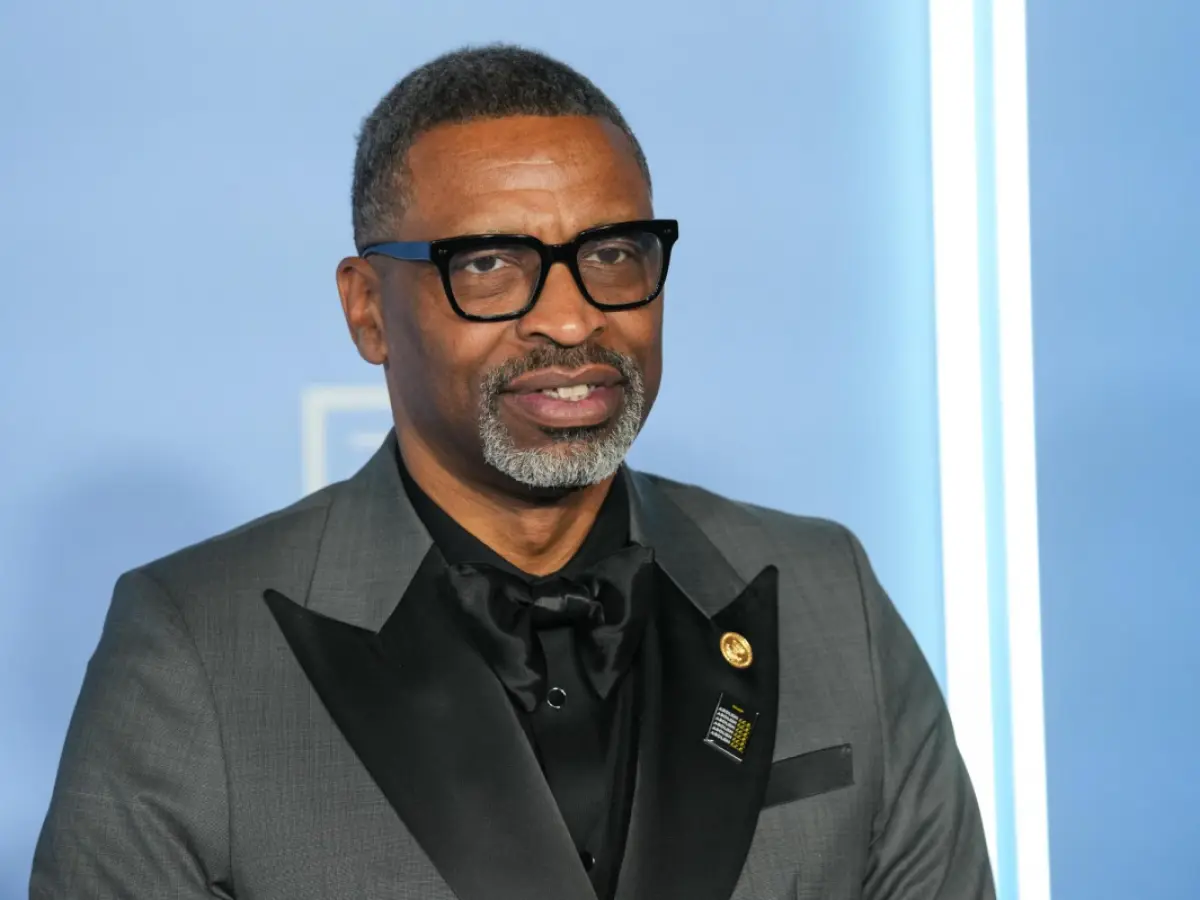
Derrick Johnson, the CEO of the NAACP and a Jackson resident, has been a mainstay on cable news networks in the Trump era as the administration and its allies have taken aim at rolling back voting-rights protections and diversity initiatives.
Yesterday, Johnson took to a somewhat unusual platform for the head of the 120-year-old civil rights organization: ESPN’s flagship program, SportsCenter.
Specifically, Johnson joined the broadcast to explain the organization’s opposition to the Protect College Sports Act, congressional legislation that would regulate transfers, eligibility and—most importantly—money in amateur athletic programs.
The bill, which cleared a procedural hurdle in the U.S. Senate on Tuesday and could be debated in the next day or two, has bipartisan support in the Senate; its co-sponsors are Sen. Maria Cantwell, a Democrat from Washington state, and Ted Cruz, a Republican from Texas. It has also been endorsed by most NCAA conferences, including the Southwestern Athletic (SWAC), Sun Belt and Southeastern (SEC) conferences in which Mississippi’s Division I NCAA sports programs play.
“It takes away the rights of athletes,” Johnson, who formerly headed the Mississippi chapter of the NAACP, said of the bill. “It creates an opportunity for the sports leagues to commit what would now be illegal acts because they will have an exemption from antitrust legislation. It’s pretty bad and it’s unfortunate that players have been able to benefit from their ability on the field and now [it’s being] taken away.”
Under the bill, schools and conferences would have a limited antitrust exemptions allowing conferences to enforce unified transfer and payment rules. Existing federal law prohibits companies from working together, or colluding, to set prices.
Since the beginning of the “name, image and likeness” (NIL) era, which cleared the way for college athletes to receive payment from university sports programs and endorsement deals, athletes have raked in hundreds of millions compared to the previous regime where the NCAA had strict prohibitions on student-athletes receiving compensation.
According to an analysis by The Athletic, the SEC, where Ole Miss and Mississippi State compete, leads the nation in total NIL compensation of an estimated $30.2 million as well as per school at approximately $18 million.
As of 2024, the SWAC, which includes Jackson State, Alcorn State and Mississippi Valley State universities, ranked No. 15 among all NCAA conferences for NIL payouts. In late 2024, the SWAC’s commissioner estimated the conference allocated $28 million over a two-year span to member institutions, which also includes schools in Louisiana, Alabama, Texas, Arkansas and Florida.
Johnson was invited on SportsCenter after Cruz appeared over the weekend on College GameDay, where he promoted passage of the Protect College Sports Act; critics panned ESPN for platforming political speech. The NAACP initially asked ESPN to have Johnson appear on air this coming weekend, when GameDay takes place in Oxford, where Ole Miss will face rivals LSU and the Rebels’ recently departed head coach, Lane Kiffin.
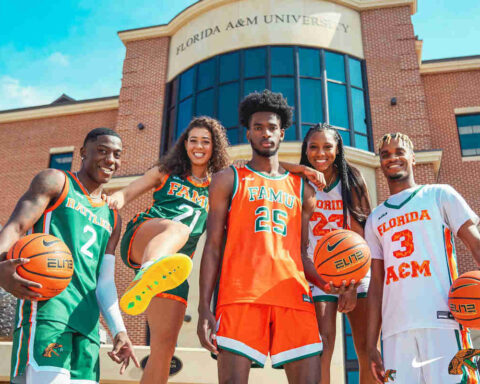
The bill includes a provision for HBCUs which creates grants for long-term upgrades for broadband, equipment and media infrastructure, which could also go toward supporting student journalism programs. Johnson characterized the provision as a last-minute addition, dismissing it as a “head fake” to obscure longstanding underfunding of HBCUs at the federal and state levels.
“We should not be tokenizing our Historically Black Colleges and Universities, in order for the major college universities to generate $14 billion in revenue annually,” Johnson said.