
HBCUs are more than colleges. They are places where history, identity, and culture come alive. However, in a fast-changing world, one question remains: Are HBCUs still preserving Black culture?
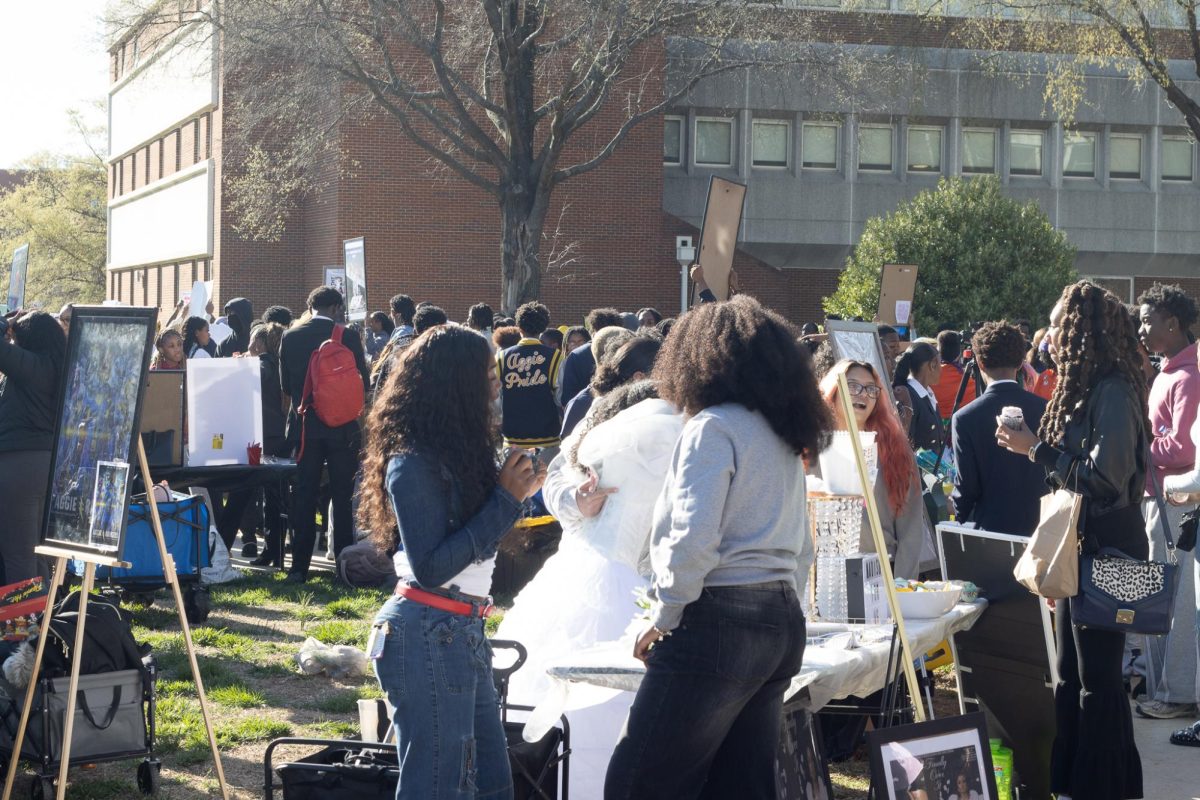
Walk onto an HBCU campus during homecoming, and you will hear the sound of joy before anyone says a word. Marching bands play, students dance, alumni wear their school colors and crowds celebrate traditions passed down through generations.
Historically Black Colleges and Universities (HBCUs) were created as a result of African Americans being denied access to higher education. After the Civil War, institutions were established to provide Black students with educational opportunities.
Over generations, HBCUs became more than places to earn a degree. They became centers of community, leadership, activism, and Black cultural expression.
As a student at N.C. A&T, I have personally experienced the importance of attending an institution rooted in history.
A&T shows how education and HBCU culture can coexist. Our homecoming, known as the Greatest Homecoming on Earth, or “GHOE,” brings students, alumni, and visitors together to celebrate Aggie pride.
At A&T, these traditions connect current Aggies with generations of alumni and remind graduates of their lasting connection to the university.
Zaiden Meadows, a junior animal science student at A&T, believes that “A&T is doing a great job of preserving its culture.” He also made it a point to clarify that “not every HBCU is the same.”
Lauren White, a current senior and criminal justice student, expressed similar sentiments.
“Traditions, campus events, and student organizations help create a strong sense of community while also allowing students to better understand the history behind their universities,” she said.
Taylor Harris, a senior psychology major, also shared that “preserving HBCU culture is important because it gives students a strong sense of identity and belonging.”
These perspectives show that HBCUs can evolve while maintaining the traditions and cultural identity that make them unique.
However, not every HBCU has the same level of student engagement or connection to campus culture that A&T has.
While every institution is different, the goal of preserving Black history and culture remains an important part of the universal HBCU experience both in and outside of the classroom.
Culture is preserved through education as well, with students studying subjects such as African American history, literature, politics, music, and art. These courses connect them to the roots of Black culture and provide opportunities to strengthen their sense of identity and understanding of their communities. For some, an HBCU may also be the first place where they can learn about Black history in an environment where their experiences and perspectives are valued.
Culture is not simply passed down; it is shaped and kept alive by each generation.
A&T’s identity holds a significant place in Black history specifically because of the Greensboro Four, a group of four A&T students who, in 1960, staged a sit-in at the Woolworth lunch counter in Greensboro to protest segregation.
Their peaceful protest became a pivotal moment in the Civil Rights Movement. Teaching students to remember and cherish these moments keeps them connected to their history while encouraging them to make their own strides.
Ultimately, HBCUs prove that preserving culture does not mean being stuck in the past or being one-dimensional. Students continue to introduce new ideas while honoring the values, experiences, and traditions that shaped these institutions.
Sometimes, the best way to preserve a culture is to allow the next generation the opportunity to make it their own.