Black History Month - Page 2

BLACK HISTORY MONTH: AN HBCU A DAY (Morris)

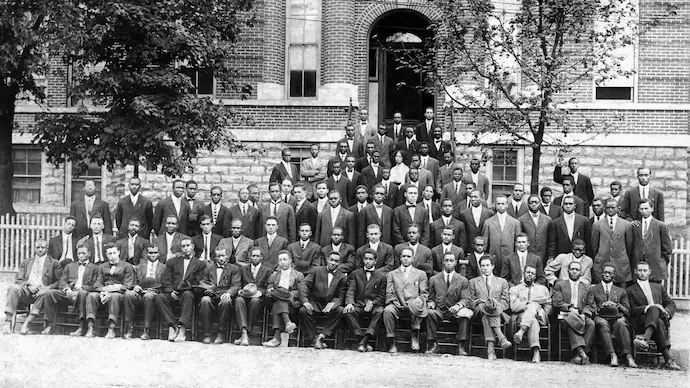
Morris College is located in Sumter, South Carolina and was founded in 1908 by Jacob J. Durham. Doctor Durham received an A.B. from Fisk in 1880, graduated valedictorian of Meharry Medical College with an M.D. in 1882 and received an A.M. from Fisk in 1885. He was an educator, an orator that spoke strongly against the lynching of African Americans, a Civil Rights Activist, A successful physician, and sat on the board of trustees at Morehouse College. The college tells the story of its founding as, “Under authorization granted by the Baptist Educational and Missionary Convention of South Carolina in

LSU’s first Black medical graduate reflects on breaking barriers in 1970

BATON ROUGE — LSU School of Medicine first opened its doors in New Orleans in 1931, but didn’t see its first Black graduate until 1970. Dr. Claude Jenkins Tellis went on to spend decades working as a pulmonologist in the Baton Rouge area. When Dr. Tellis graduated from medical school, only 2.2 percent of doctors in the US were Black. Today, Black doctors make up just more than five and a half percent of active physicians, even though Black Americans account for nearly 14 percent of the US population. Breaking barriers at LSU Dr. Tellis, now 81, vividly remembers his

BLACK HISTORY MONTH: An HBCU A Day (BENEDICT)

Benedict College was founded in 1870 in Columbia, South Carolina. It’s original intent, like many HBCUs in the south, was to educated newly emancipated African Americans to become teachers. Now Benedict is a present day STEM powerhouse and the first HBCU to have its environmental engineering program approved by ABET (Accreditation Board for Engineering and Technology). Benedict has a wide range of science and engineering degree offerings in chemistry, physics, biology, environmental engineering, environmental health science, and more. Benedict boasts of its degree offerings, “Benedict offers several high-demand fields of study in STEM, Cyber Security, Mass Communication, Sport Management, Business

Harry McAlpin Broke Racial Barriers at White House

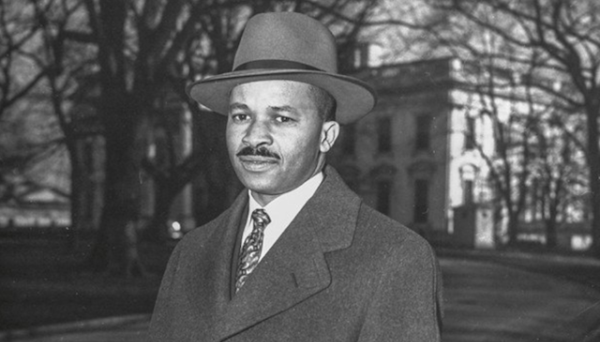
By A.R. Shaw Harry McAlpin made history in 1944. The journalist for the “Atlanta Daily World” became the first reporter to cover the White House. Although enslaved labor was used in every aspect of White House construction in the 1700s, Black journalists were not provided credentials to the White House. However, the National Negro Publishers Association (NNPA, now the National Newspaper Publishers Association) petitioned to obtain credentials for McAlpin to attend press briefings at the White House. On Feb. 8, 1944, McAlpin received credentials to cover a press briefing, but other white reporters attempted to discourage him from entering the room.

Miles College Celebrates Black History With Purpose

/

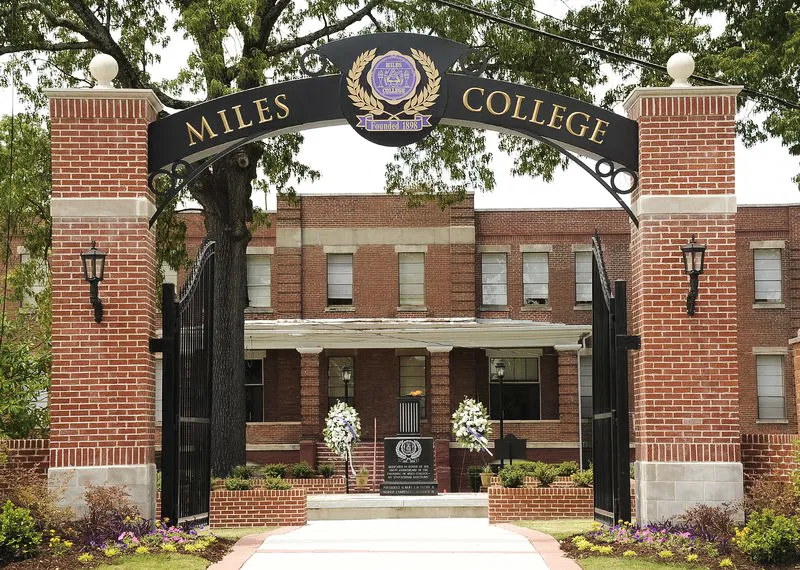
By Bryce Oselen The month of February is nationally recognized as Black History Month. Students attending Miles College say they’re using the month to learn more about their history. Founded in 1898, Miles College’s history is rich, Jalen Stewart serves as Mr. Miles College and says the month of February at his university compares to no other. “Once I first got here to this HBCU, I was just here. I’m a first-generation college student, but I put in a little bit of work myself and did some research to understand, what’s the importance of this, and as you see, I’m

MLK Day Atlanta: Honoring Legacy Through Unity & Action

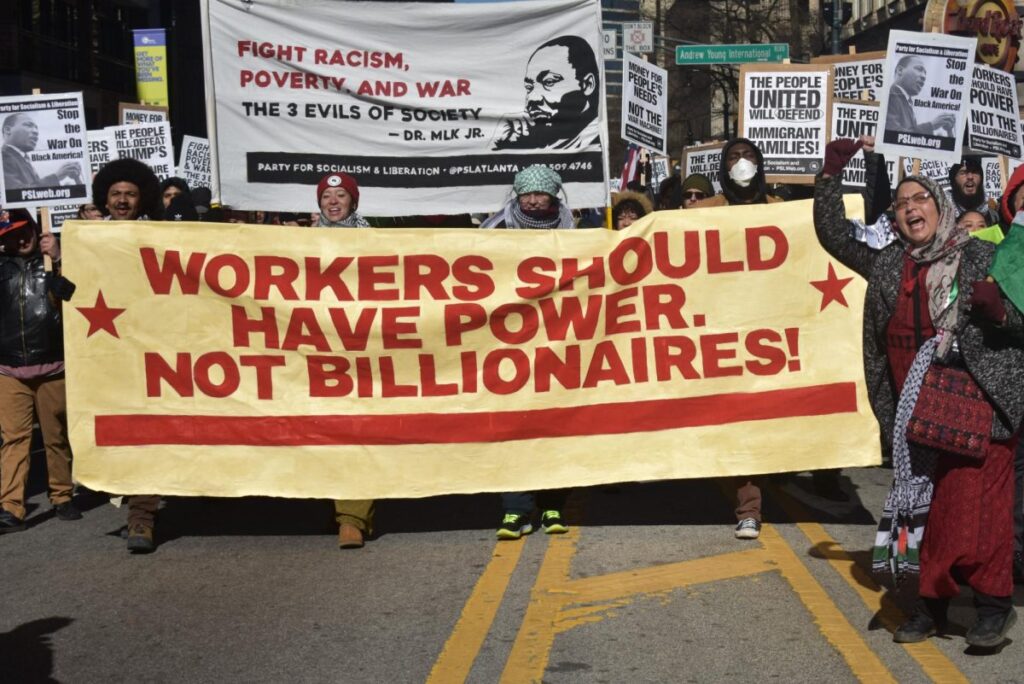
By Audrey Lyons and Fairlie Mercer On the 40th annual observance of Dr. Martin Luther King Jr. Day, the Atlanta community gathered to honor Dr. King’s legacy and mobilize to continue the fight for equal rights. Dr. King, one of the main leaders in nonviolent protest during the Civil Rights Movement, was remembered through the King Center’s annual service at Ebenezer Baptist Church, where Dr. King was the co-pastor with his father for eight years. Dr. Stacie N. C. Grant, the international president and CEO of Zeta Phi Beta Sorority, Inc., one of the Divine Nine historically Black Greek letter organizations, attended the service.

HBCUs on Delmarva: Legacy, Pride, and Future Impact

By Tierra Williams Historically Black Colleges and Universities known as HBCUs emerged after the Civil War to provide Black Americans the most basic of human rights, access to a full education. For over 180 years, they have been at the center of the American story socially and economically, and on Delmarva, that legacy continues to this present day. University of Maryland Eastern Shore In the 1950’s and 60s, legal segregation prevented Black Americans from attending all-white colleges in the South, and quotas limited numbers of students who could attend in the North- thus the need for Black schools. The University

Maryland Invests $5M to Preserve Black Heritage Sites

As February ushers in Black History Month, Maryland is taking significant steps to ensure the preservation of its rich African American heritage. Governor Wes Moore has announced a $5 million investment in African American Heritage Preservation Grants, a joint effort with the Maryland Department of Planning and the Maryland Historical Trust. Governor Moore’s administration is committed to keeping these stories alive. How can you really understand American life and democracy if you don’t learn and understand Black history? says historian Chanel Compton Johnson, Executive Director of the Maryland Commission on African American History and Culture and the Banneker-Douglass-Tubman Museum. Honoring

Are HBCUs Doing Enough to Honor Black History Month?

By Ja’Kaiya Y. Stephens February marks the observance of Black History Month, a time dedicated to honoring the rich heritage and significant contributions of African Americans throughout history. As some reflect on this important cultural experience, it is pertinent to examine the efforts of Historically Black Colleges and Universities (HBCUs) in commemorating this occasion. Are HBCUs doing enough to uphold the legacy of Black history within their institutions and beyond? HBCUs have long been pillars of empowerment and education within the African American community. From their inception during the era of segregation to the present day, these institutions have served

1 2 3 4 9

Never Miss A Story

Covering HBCUS
and The African American Community