Opinion - Page 2

How HBCUs Continue To Protect Black Culture

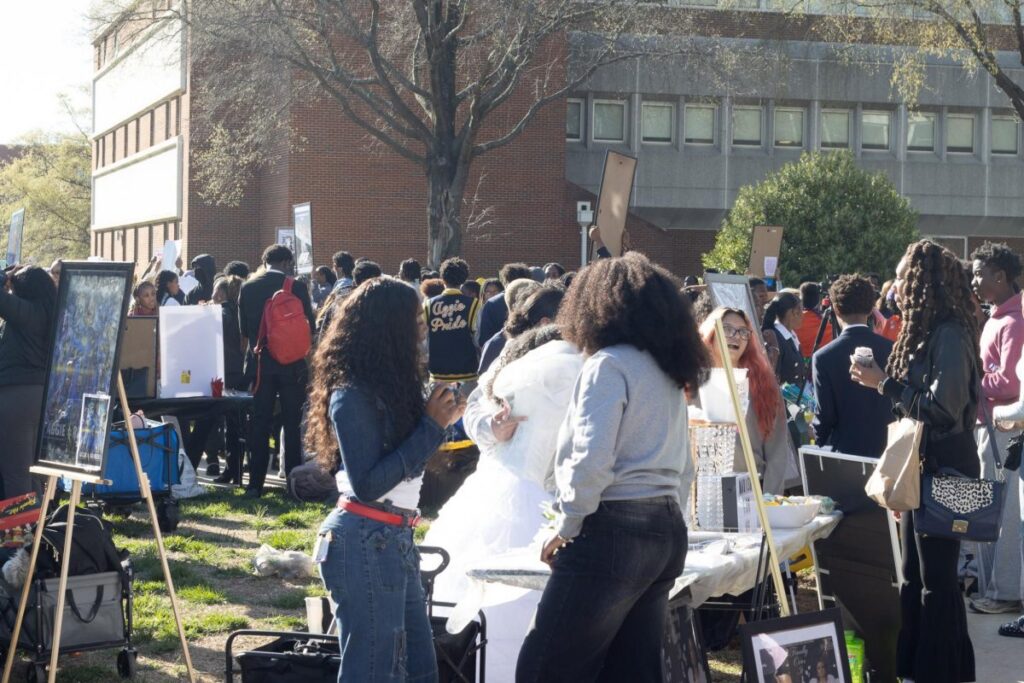
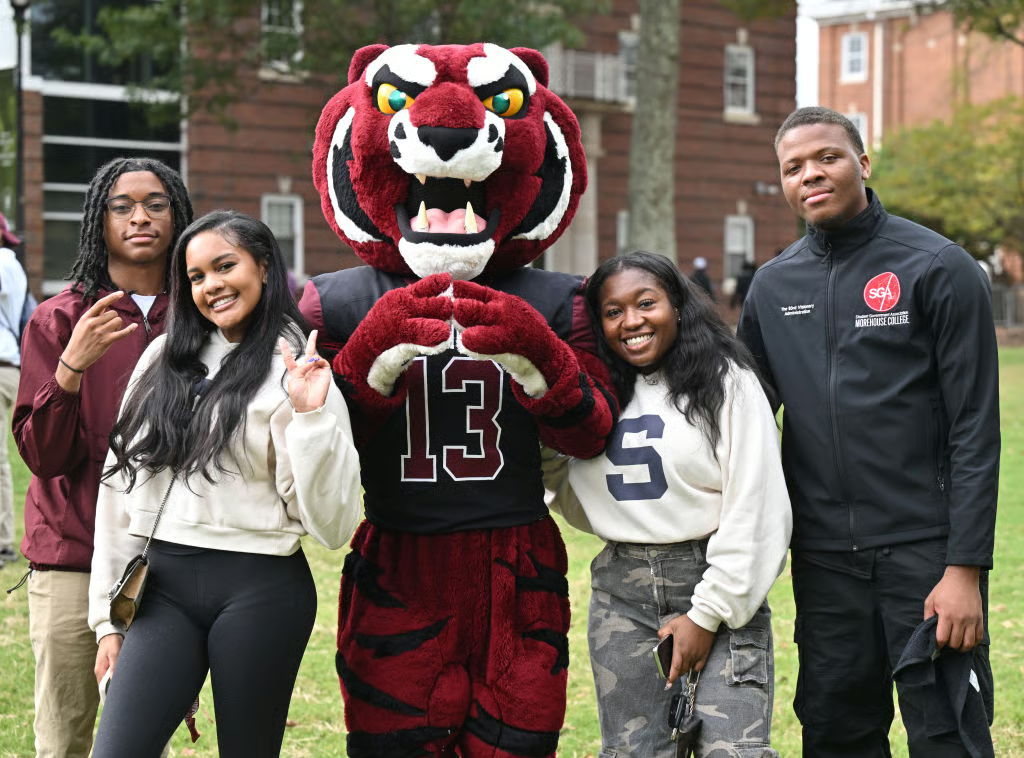
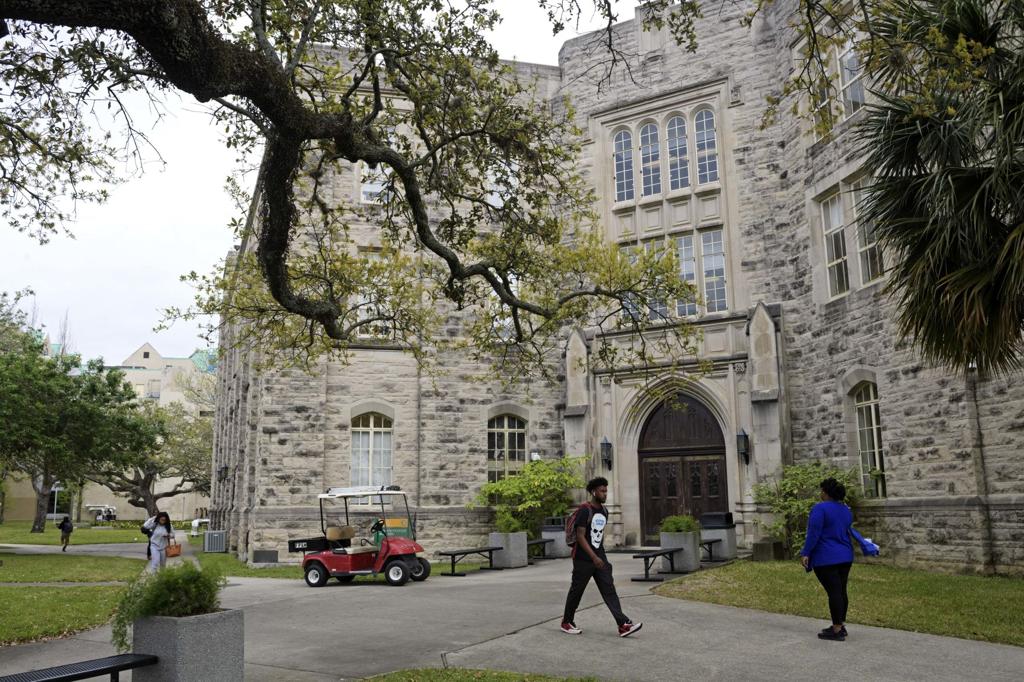
This article is written by a student writer from the Her Campus at SUBR chapter and does not reflect the views of Her Campus. Historically Black Colleges and Universities have a significant impact on protecting and influencing Black culture in many different ways. Beyond academics, these institutions have poured into and invested in students’ everyday

More

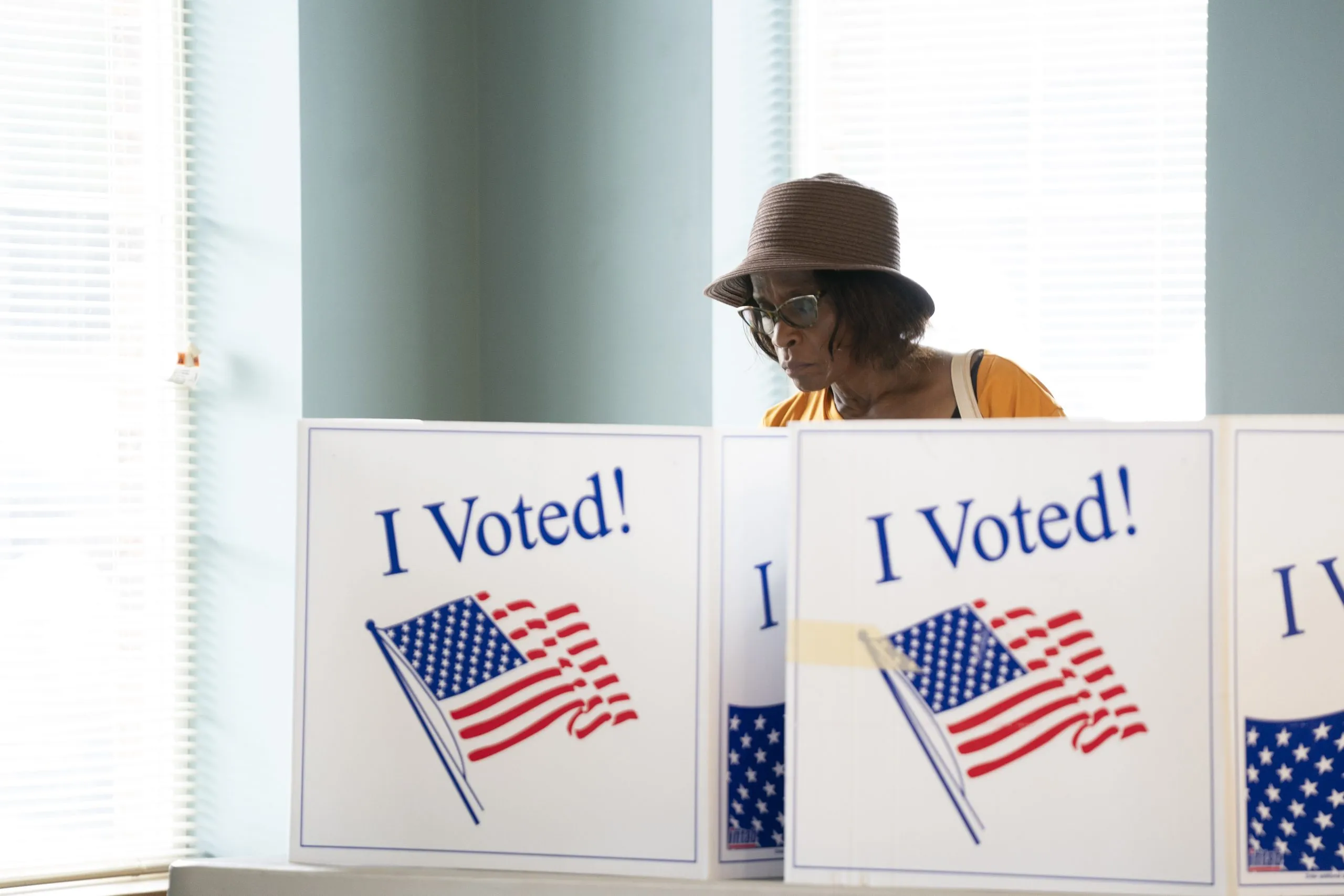
The Power of the Poll: Why Voting Sites at HBCUs Matter

“The Right to Vote vs. The Right to Be Seen as ‘Grown’” I remember being on the edge of 17, eagerly waiting to turn 18, not only to legally be an adult but also to exercise my voting rights, which I was so ecstatic to do. To me, someone who’s been an advocate for a

More

What It Takes To Sustain HBCU Leadership At HBCUs

We often talk about sustainability in higher education as if it were a race measured in quarters, dashboards, and presidential contracts. But at Historically Black Colleges and Universities (HBCUs), sustainability doesn’t, and can’t, happen on a stopwatch. It’s something that occurs over time, through trust, alignment, and leaders who are given the space to build. If you’ve

More

MacKenzie Scott is making a real difference

By Marc Morial “It’s easy to focus on the methods of civic participation that make news, and hard to imagine the importance of the things we do each day with our own minds and hearts. Who nurtured a child in the kitchen; who was kind to a stranger in line at a grocery store; who

More

Why Governance Matters Most: Boards, Presidents, And Stability At HBCUs

ByMarybeth Gasman, Within the Historically Black College and University (HBCU) context, conversations about boards of trustees and presidential leadership frequently surface during moments of crisis, such as rocky accreditation reviews, financial strain, and leadership transitions. Yet governance relationships are rarely built in crisis. They are shaped over time through norms, structures, and habits that either

More

Building Early Belonging and Higher Enrollment Yield at HBCUs

Historically Black Colleges and Universities (HBCUs) continue to lead the nation in cultivating deep community, belonging, and opportunity. Today, Raftr and Ed Advancement shared early findings from their three-year collaboration supporting a cohort of HBCUs with admitted student engagement. Partner institutions saw a 2-3x higher enrollment yield from admitted students who engaged on Raftr compared to those who did

More

High School students largely unaware of HBCUs

A new study released by the United Negro College Fund (UNCF) reveals a significant disconnect between what high school educators know about Historically Black Colleges and Universities (HBCUs) and what students are actually learning about them. The study, “Breaking Barriers, Building Bridges,” was released on January 2, 2026, and examines how teachers and school counselors influence college readiness and exposure

More

How HBCUs Turn Potential into Purpose: Launching the Next Generation of Innovators

Historically Black Colleges and Universities (HBCUs) offer more than a pathway to a degree — they turn raw potential into purpose with remarkable consistency. One of the key ways HBCUs benefit students is by creating highly supportive, affirming environments that build confidence, identity, and community engagement. Because many of these institutions serve first-generation, low-income, or underrepresented

More

The Unrestricted HBCU Capacity of ‘MacKenzigiving’ – The New Age of Philanthropy

By Edmond W. Davis, Social Historian In under 2,000 days, MacKenzie Scott has accomplished what the combined philanthropic empires of America’s richest men could not: she directly, intentionally, and without restriction invested more money into Historically Black Colleges and Universities than any individual or corporation in U.S. or world history over five years. She is,

More

HBCU Threats Highlight Urgent Need for More Investment

By Tramelle Howard The recent terroristic threats and lockdowns at several historically Black colleges and universities should be a wake-up call for many. These incidents are not isolated; they underscore a rising danger to campus safety, student mental health and institutional stability. HBCUs already operate under financial and infrastructural strain. Adding threats, fear and uncertainty

More

Never Miss A Story

Covering HBCUS
and The African American Community