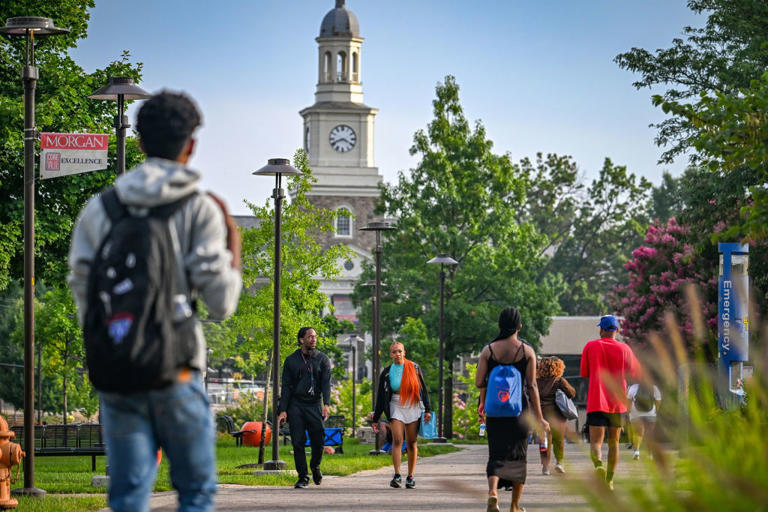
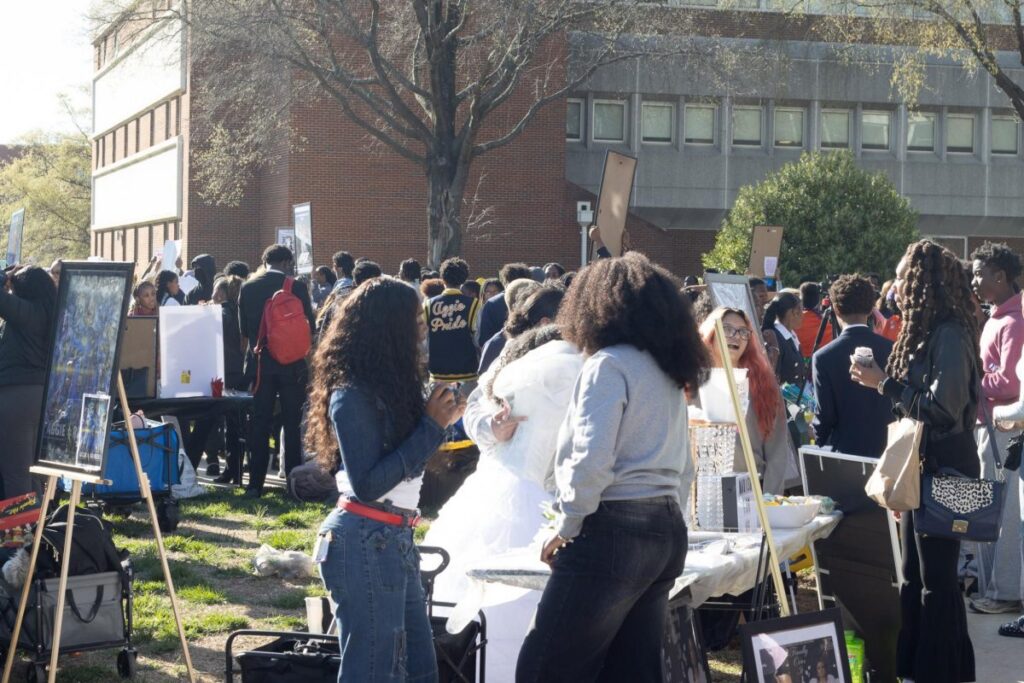
HBCUs are more than colleges. They are places where history, identity, and culture come alive. However, in a fast-changing world, one question remains: Are HBCUs still preserving Black culture? Walk onto an HBCU campus during homecoming, and you will hear the sound
President Donald Trump is once again targeting federal programs that have long supported the Black community — this time through a new directive aimed at higher education. On Thursday, the White House issued a presidential memorandum directing Education Secretary Linda McMahon to require all colleges and universities that receive federal financial aid to disclose how they make admissions
More
A large-scale initiative is quietly reshaping the future of historically Black colleges and universities (HBCUs). Through the HBCU Transformation Project, 40 institutions—public, private, rural, and urban—are working together to improve enrollment, graduation rates, and student success, while building models that could influence the rest of higher education. The project, launched in 2021 and led by the Thurgood
More
The Trump administration’s wars on federal research funding and DEI initiatives have resulted in dozens of canceled grants to historically Black colleges and universities. For the nation’s biggest HBCUs, the loss of that funding is another roadblock impeding a decades-long effort to obtain the coveted “Research 1” Carnegie classification. More than $140 million in grants
More
Historically Black Colleges and Universities (HBCUs) have long framed narratives of Black excellence. Though none exist within the Greater Los Angeles region—aside from Charles R. Drew University—HBCU culture thrives here through alumni networks, community events, civic engagement, and policy leadership. Their mark on LA is evident from conventions in Downtown to mentorship in Compton and
More
By Dr. Crystal A. deGregor Born enslaved, African American abolitionist, orator, writer, and statesman Frederick Douglass was never afforded the privilege of formal education. But if he had been, I like to believe he would have called a historically Black college or university his intellectual home. Much like them, he was powered by the conviction
More
After the murder of George Floyd in 2020 and the Black Lives Matter protests that followed, many corporations pledged to do more to support Black communities, including a flood of pledges and new investments in HBCUs — Historically Black Colleges and Universities. “We were able to see a lot of folks making commitments to racial justice
More
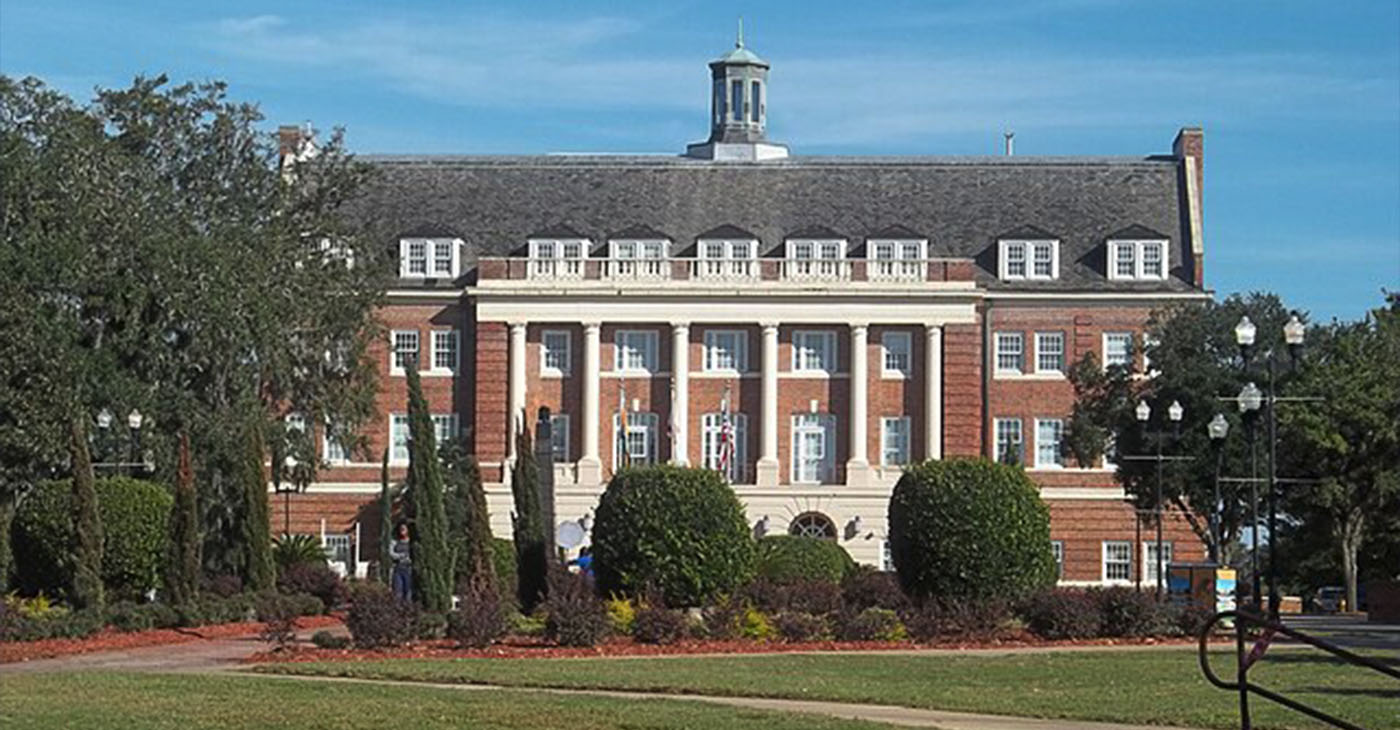
By Stacy M. Brown For Fedrick C. Ingram, secretary-treasurer of the American Federation of Teachers, the hiring of Marva Johnson by Florida A&M University (FAMU) is a calculated political strategy to control Black institutions and influence how future generations think. “They are trying to change the mindset, get into the brain trust of young people
More
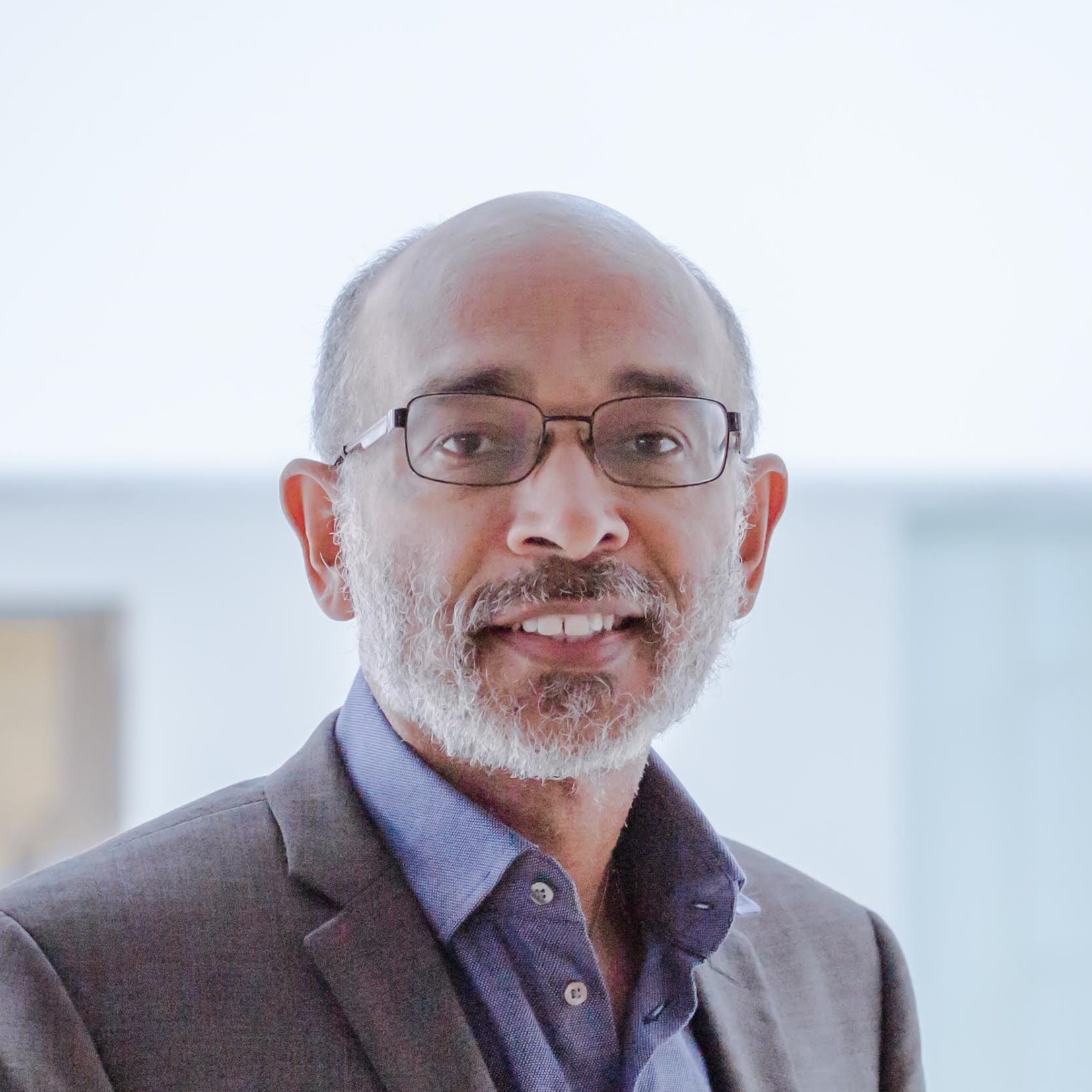
A globally recognized statistician, computational neuroscientist, and anesthesiologist, Dr. Emery Neal Brown’s groundbreaking research and statistical methods have revolutionized how we analyze neuroscientific data, leading to advances in science’s understanding of circadian rhythms and how the brain functions. Throughout his career, he has received the National Medal of Science and a Gruber Prize in Neuroscience,
More
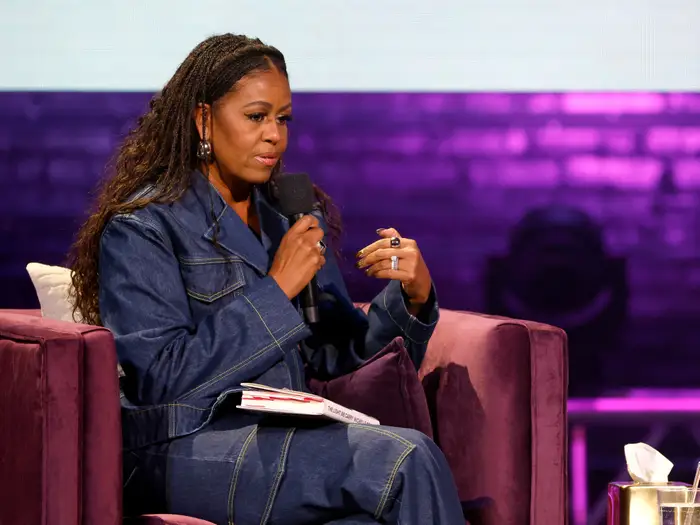
By Steffanie Richards Former First Lady Michelle Obama just admitted during a podcast interview what a lot of Black people already know: Students at Ivy League universities are no smarter than students at other colleges, including at HBCUs. She voiced her opinion on this recent interview. Obama, who also earned her law degree from Harvard, said it wasn’t until after
More
By Keka Araújo The Trump administration’s recent decision to rescind the White House Initiative on Historically Black Colleges and Universities (HBCUs), formalized in Executive Order 14041 of September 3, 2021, represents a grave disservice to American higher education and a direct affront to the aspirations of Black students. The move, detailed in an April 23
More